FREE
FREE 

Welcoming a newborn into your life is an exciting experience. It’s a period of making a lot of decisions and one of the first ones you’ll have to face is choosing the perfect bed for your baby. With an abundance of options available, from Moses baskets to co-sleepers, bassinets, cribs, travel cots, and even play yards, it can be difficult to decide which is the best fit for your family.
Let’s break down the key differences between these baby bed choices. In this article we’ll also cover why choosing a bed made from natural materials is essential. By the end, you’ll probably know which is the best baby bed.
Choosing Between Crib, Bassinet, or Co-Sleeper: The Home of Wool Guide
Cribs: The Classic Choice
Cribs are probably the most popular choice expecting parents make for their nurseries. Providing a long-term sleeping solution, cribs keep your baby secure, while offering plenty of space to grow. They come in a variety of sizes, but most manufacturers stick to the standard crib size: 28 x 52 inches.
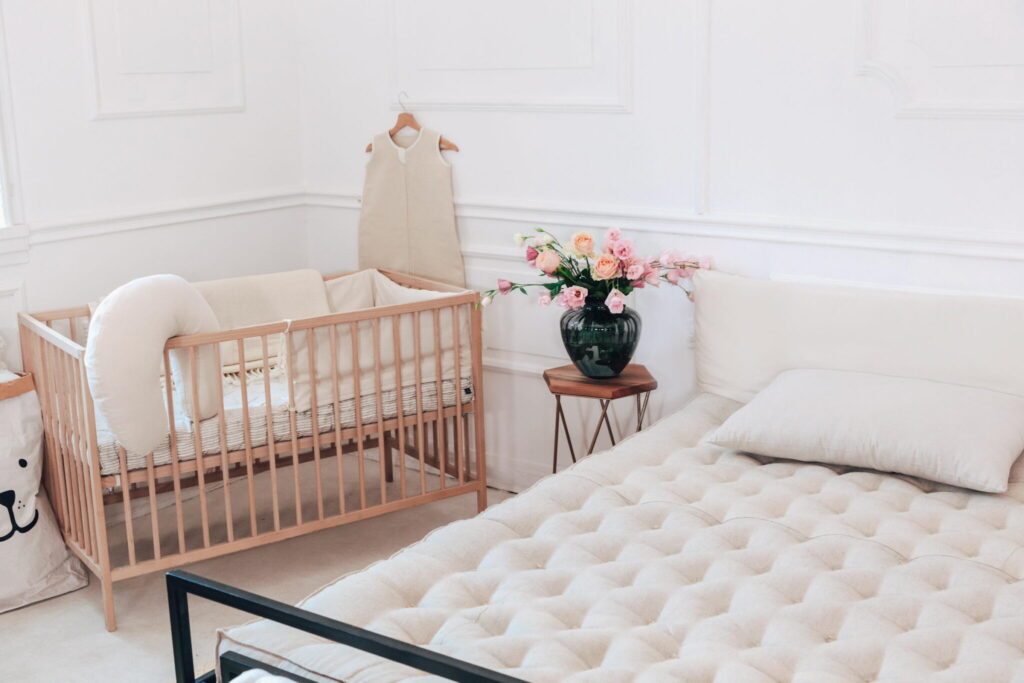
Pros: Their standout feature is their size. Cribs provide plenty of space for your baby to grow, and many models come with a removable side, allowing the crib to transform into a toddler bed for extended use. Standard cribs are usually very sturdy and safe, with safety features such as slatted sides for ventilation and adjustable mattress heights to accommodate your baby’s growth from newborn to toddler and beyond.
Cons: Due to their size, however, cribs are less ideal for smaller homes or rooms.
Co-Sleepers: Bonding and Safety in One Sleep Space
Co-sleepers are a great option for parents who are planning to keep their newborn close during the night while maintaining separate sleeping surfaces. These beds safely attach to the side of parents’ bed, keeping your baby within arm’s reach.
Pros: Co-sleepers are a good solution for parents who want to practice safe co-sleeping. They’re also a great choice for breastfeeding moms, since they provide easy access during nighttime feeds.
Cons: You can only use co-sleepers for a limited time since they usually nave an age and weight limit. Your baby will quickly outgrow the co-sleeper area.
Bassinets: A Compact, Cozy Option
Bassinets also come in a variety of shapes and sizes. They are smaller than cribs and therefore can be used only for several months. They usually have a rocking or gliding feature, that most parents find quite useful. Some of them can be used as a co-sleeper.
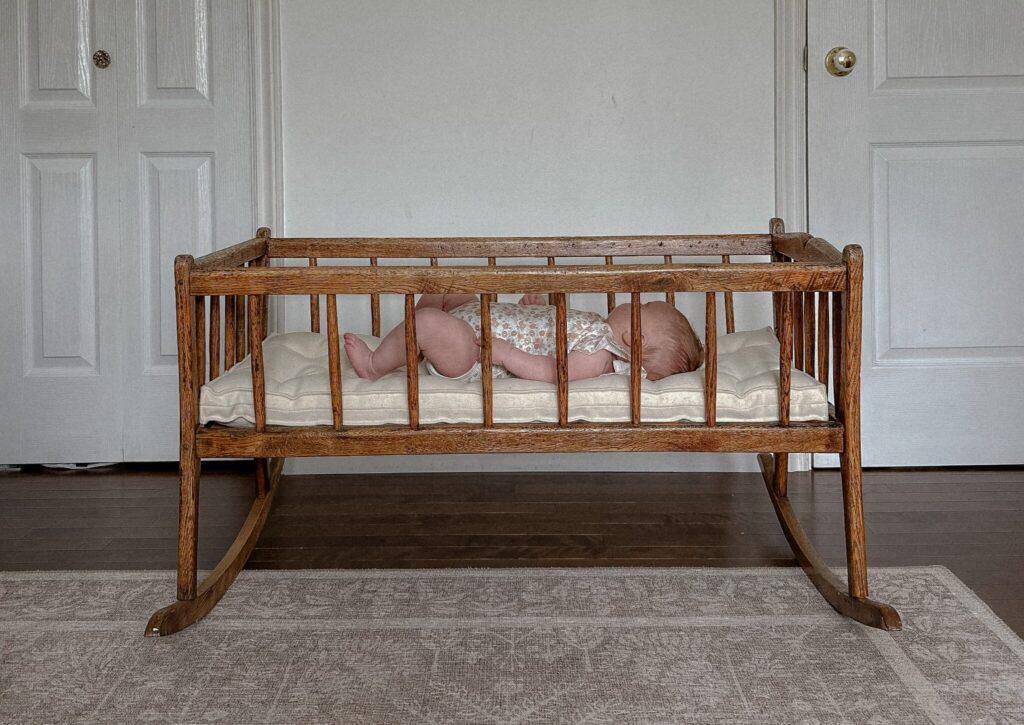
Pros: Bassinets are ideal for smaller spaces and they usually can be moved around the house.
Cons: Bassinets are only suitable for a limited time period – until your baby can roll over or push up, which usually starts at about 4 months of age.
Moses Baskets: Classic and Lightweight, Perfect for Day Naps
Moses baskets are typically crafted from woven materials like palm leaves or wicker, making them light and portable. A traditional choice for the newborn stage, they are ideal for daytime naps. Cozy and convenient, they offer a safe and comfortable resting spot for your little one.
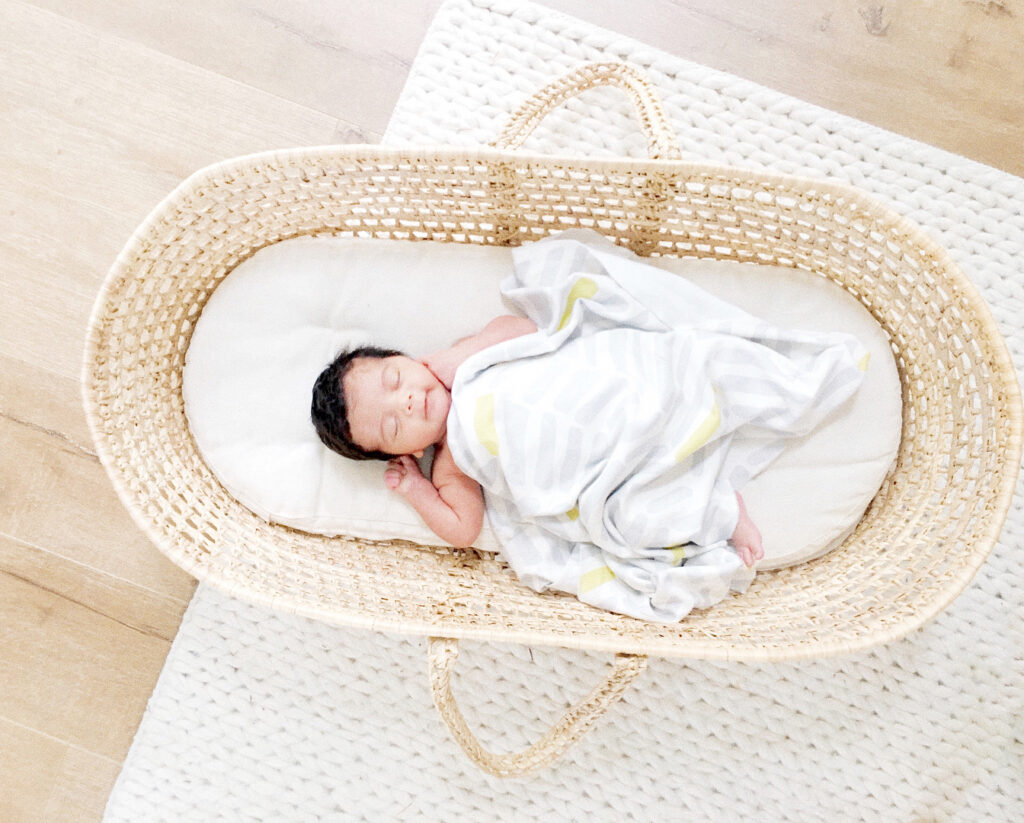
Pros: Moses baskets are light and portable, making them ideal for parents who want to move the baby from room to room.
Cons: Moses baskets are best suited for a short period due to their size limitations and are primarily used for daytime naps, as they are not recommended for overnight sleep due to safety considerations.
Travel Cribs and Playpens
Also popular sleep options, these alternatives are popular among parents who travel a lot.
Travel Cribs: Ideal for families who travel or visit relatives often, travel cribs are lightweight and portable. They are designed to easily fold and set up and often feature two adjustable mattress height options.
Playpens: Also known as playards, these can serve as a versatile sleep and play area.
The main drawback of playards, travel cots, and similar beds is that they are often made from synthetic materials, which can release harmful chemicals like VOCs and flame retardants.
The Importance of Choosing Natural Materials for Your Baby’s Sleep
When choosing a bed for your baby, one of the most important factors to consider is the materials that it is made of. Babies have delicate skin and developing respiratory system, so choosing beds and mattresses made from natural, non-toxic materials is critical for ensuring a safe sleep environment.
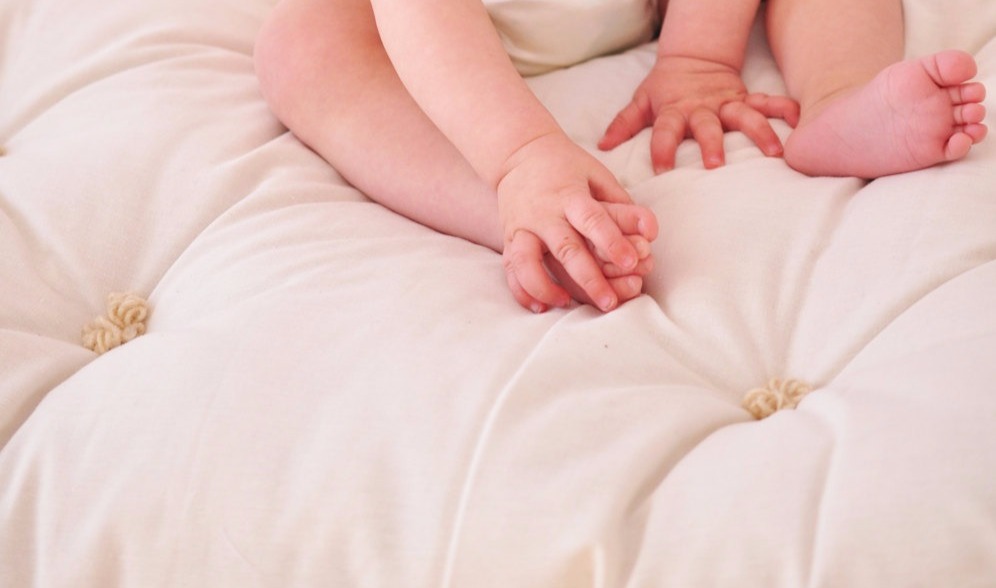
Natural materials are gentle on your baby’s skin and reduce the risk of exposure to harmful chemicals commonly found in synthetic mattresses and fabrics. Opting for beds made from natural toxin-free materials ensures that your little one is not exposed to VOCs (volatile organic compounds), which are harmful chemicals released by synthetic materials.
At Home of Wool, we understand the importance of using only the purest materials for your baby’s sleep. That’s why we offer custom-made mattresses and toppers designed specifically to fit all types of newborn beds, including cribs, bassinets, and Moses baskets. Our mattresses and toppers are:
- VOC-Free: Free from harmful chemicals and additives, ensuring a cleaner and safer environment for your baby.
- Hypoallergenic: Created with natural materials: organic wool and natural fabrics that are resistant to dust mites and allergens, promoting a healthier sleep.
- Dust Mite Repellent: Wool is naturally resistant to dust mites, making it an ideal choice for babies with sensitive skin or allergies.
- Sustainable: Our products are made with eco-friendly, renewable materials that are better for your baby and the planet.
By choosing a mattress or topper from Home of Wool, you’re providing your baby with the safest, most comfortable sleep environment possible.
Ready with your choice?
Choosing the right bed for your newborn is a crucial decision that depends on your lifestyle, space, and preferences. Whether you opt for a crib, co-sleeper, bassinet, or Moses basket, the key is ensuring your baby has a safe, comfortable, and non-toxic sleep environment.