 KOSTENLOS
We at Home of Wool spend our days surrounded by wool, so we probably notice things most people don’t. The longer we work with it, the more we see how “alive” the material is. It reacts, adapts, and pretty much… takes care of itself. And when you sleep in it, it takes care of you too.
Why does wool bedding feel so different from other bedding? Why do so many people who try natural wool bedding say they sleep deeper and calmer? Let us explain it in a simple way, based on what we’ve learned from working with wool every single day and the many wool bedding benefits people share with us.
All-Natural: Why Wool Creates a Healthier Sleep Environment
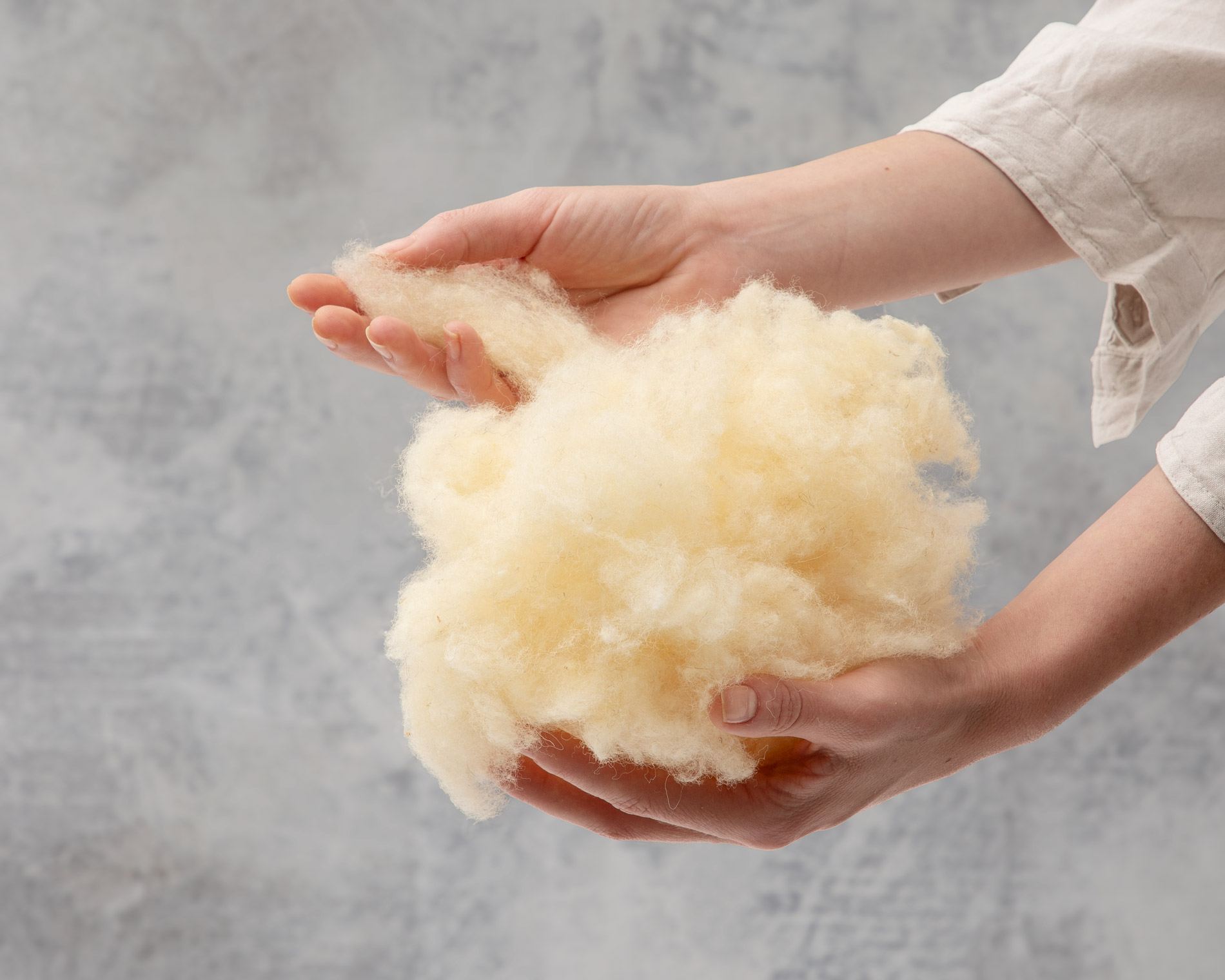
Have you ever wondered what is actually inside your bedding? We did, which is partly why we started doing things differently. At Home of Wool, we source wool from small Bulgarian mill that collects it from local herds during the yearly shearing that keeps the flocks healthy. The wool is washed with a GOTS approved soap and carded. Nothing else. No finishes, no fabric softeners, no mystery ingredients. It is just wool, the way it came from the sheep.
This simplicity is one of the reasons people feel better sleeping on organic wool bedding. There is nothing hidden in it that can disrupt your sleep and your health.
VOCs-Free and Non-Toxic: How Wool Supports a Safer Sleep Space
Why should your bedroom smell like chemicals? It shouldn’t. Many synthetic mattresses and foams release VOCs into the air. Not only when new, but in the long run as well. Wool does not do that. It sits quietly in the room and doesn’t release anything.
We chose wool for this reason years ago. Cleaner air means deeper sleep, especially for babies, sensitive adults, and anyone who just wants a healthier home.
And why are VOCs or volatile organic compounds not good? They can irritate your eyes and your nose. They can irritate your throat. They can trigger headaches and worsen asthma. They can affect overall indoor air quality. Some VOCs are linked to serious long-term health effects as well.
Did you know that the indoor air can be 2 to 5 times more polluted than the outdoor air in an urban area? No wonder the United States Environmental Protection Agency emphasizes how important it is to reduce VOC exposure in the home.
Temperature Regulative: How Wool Maintains the Ideal Sleep Climate
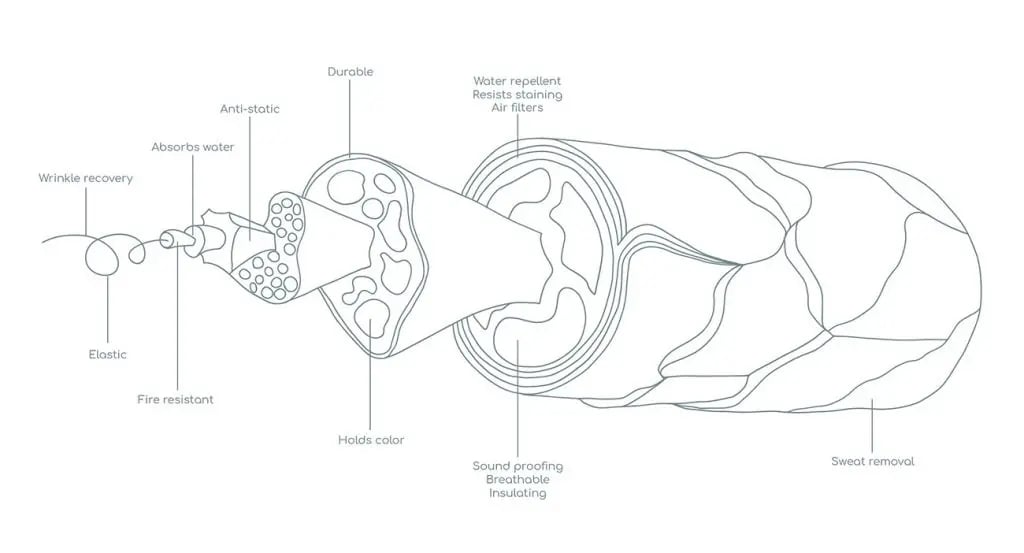
Why is sleeping in wool better for temperature regulation? We knew from research that wool supports temperature regulation, but we didn’t fully appreciate how effective it was until we began working with it first-hand more than ten years ago. Wool fibers have tiny natural air pockets inside them. What do they do? They react to changes in your body temperature. When you warm up, these pockets let heat and moisture escape. When you cool down, they hold on to warm air and keep you comfortable. Because of this, wool adjusts as you do, helping your sleep stay steady instead of swinging between too hot and too cold.
Most materials do one thing or the other. Wool does both. Maybe that is why so many customers tell us they wake up fewer times during the night when using natural wool bedding.
Extremely Breathable: Why Wool Enhances Airflow for Cooler Sleep
If you’ve ever kicked off a synthetic blanket in the middle of the night because you were too hot and sweaty, you’ll notice the difference with wool almost immediately. Wool allows air to move. Not just a little. Constantly.
The fibers have tiny channels inside them. Air slips through and takes moisture with it. The result is a cooler sleep, especially for people who run hot.
Did you know that wool can absorb up to 30 percent of its weight in moisture without feeling damp. Cotton is closer to 8 percent. Many synthetics don’t reach 2 percent. That explains the magic of cooler sleep.
Diminishes Body Odor: How Wool Keeps Your Sleep Fresh Naturally
Why doesn’t wool get “that smell” after a while? Because wool never lets moisture stay long enough for bacteria to thrive. We see this in our workshop all the time. Wool dries quickly. It breathes easily. It stays fresh. Many customers tell us they wash their wool bedding far less often than their previous bedding, simply because it doesn’t trap odor. And of course, there’s the well-known example of wool socks that can be worn for days without developing odor. A small but memorable reminder of how effectively wool manages moisture and freshness.
Moisture Regulative: Wool’s Ability to Deliver Sweat-Free Sleep
Does wool really help people who sweat at night? We hear this question constantly. And honestly… yes, it does. Wool absorbs moisture the moment it appears and then releases it gradually into the air. That is why people who sweat in their sleep often feel drier and calmer under wool. Yes, it’s science, but feels like magic.
Dust Mite Resistant: Why Wool Protects Your Sleep from Allergens
Can dust mites live in wool? Not really. Dust mites need warm and humid environments. Wool is the opposite of that. Wool naturally creates a cleaner sleep environment without needing chemical sprays or treatments. This is one of the strongest wool bedding benefits for sensitive sleepers.
Hypoallergenic: Wool’s Natural Advantage for Sensitive Sleepers
Why do people with allergies sleep better in wool? Because wool does not trap moisture or mold. It does not hold allergens the way feathers or synthetic materials can. We’ve had many customers with asthma or MCS tell us that wool was the first material they could truly tolerate.
These are some of the key benefits of using wool bedding for allergy sufferers, and we take them seriously. It is one of the reasons we refuse to treat our wool with anything synthetic.
Super Durable: How Wool Ensures Long-Lasting Comfort and Sleep Support
Have you ever pushed your finger into foam and watched it stay dented? Wool doesn’t do that. Wool springs back. A single wool fiber can bend around 20,000 times before it breaks. Cotton stops at around 3,200.
This is why our wool bedding and wool mattresses last so long. Wool simply behaves better over time, which is another clear answer to is wool good for bedding? Yes. It outperforms most alternatives in long-term structure and comfort.
Flame Resistant: Wool’s Built-In Safety for Peaceful Sleep
Why does wool perform so safely around flame? It’s simply harder to ignite. Wool doesn’t melt, drip, or burst into flame the way many synthetics do. It chars slowly and that gives you time and reduces risk. That’s one reason firefighters have relied on wool in parts of their protective gear.
And because wool is naturally flame resistant, wool bedding doesn’t need chemical flame retardants to meet safety standards. It’s a rare case where the safest option also happens to be the most natural one.
Isolates Motion Transfer: Wool for Still, Undisturbed Sleep
Have you ever woken up because your partner rolled over? Wool absorbs movement. It does not pass it from one side of the bed to the other. Couples often tell us this small detail changed their sleep more than anything else.
Exceptionally Supportive: The Wool Structure That Improves Sleep Posture
What does support really mean in bedding? To us, it means the body feels held but not pushed. Wool adapts to weight without collapsing. The shoulders sink in just enough. The spine stays aligned. Pressure points relax and the body settles into a position that feels right.
Mildew Resistant, Antimicrobial and Anti-bacterial: Wool’s Role in a Cleaner Sleep Environment
Why does wool stay clean on its own? Because wool never lets moisture sit long enough to cause mildew. Its surface is textured in a way that makes it unappealing to bacteria. We rarely see mildew in wool unless something extreme happens. It truly is one of the cleanest natural materials to sleep on.
Renewable, Biodegradable and Sustainable: How Wool Supports the Planet and Your Sleep
What happens to wool at the end of its life? It returns to the earth. Wool biodegrades and releases nutrients into the soil. No microplastics. We love that wool is renewable, biodegradable, and gentle on the planet. Choosing organic wool bedding also means choosing a material that supports a healthier ecosystem from start to finish.
Wool: The Natural Fiber Transforming Sleep, Health and Home
And because good sleep affects almost everything we do, it’s worth looking at what the University of Sydney found when they explored how wool improves sleep. Their research shows that people fall asleep faster in wool, stay asleep for longer, and wake up less during the night. It’s simple, really. Wool just works with your body, not against it. So instead of forcing comfort, we let wool do what it naturally does. A calmer night. A steadier temperature. Fewer disruptions.
READY TO EXPLORE WOOL?
-

-
-
Preisspanne: $99.00 bis $153.00 Optionen auswählen Dieses Produkt weist mehrere Varianten auf. Die Optionen können auf der Produktseite gewählt werden
-